
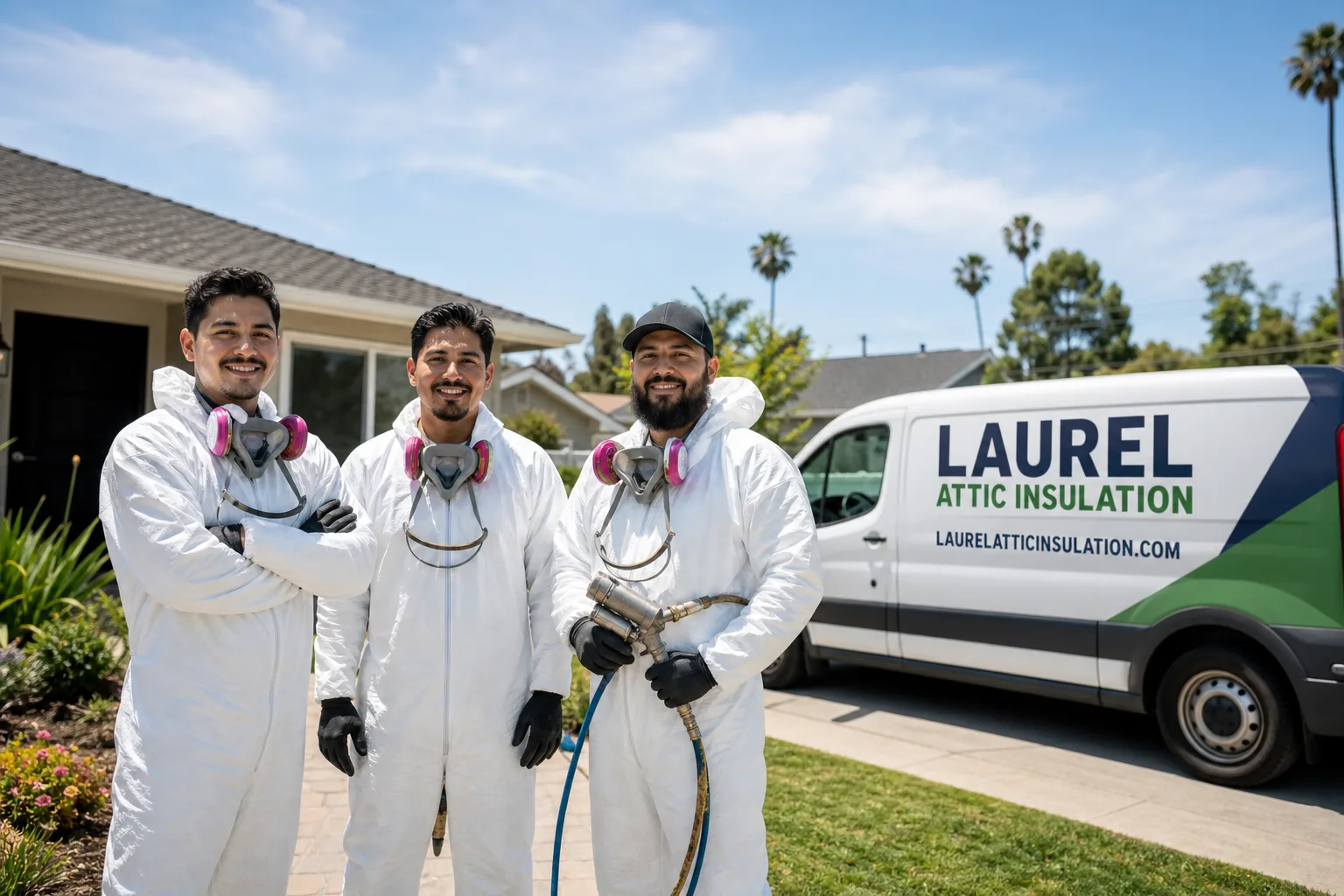
Fast, Reliable Attic Insulation Across Rolling Hills Estates
Most attic insulation jobs in Rolling Hills Estates run between $900 and $2,400 depending on square footage, access, and the R-value your home needs. We typically reach Rolling Hills Estates homes within a few hours of your call, and our crews know the hillside terrain, the older 1960s and 70s ranch construction, and the coastal moisture patterns that eat away at insulation here. If your energy bills have crept up or you’ve noticed a musty smell upstairs, call (361) 315-4177 and we’ll get you a straight answer and a written price before anything gets touched.
Why Laurel Attic Insulation Is Rolling Hills Estates’s Preferred Attic Insulation Company
Rolling Hills Estates homeowners don’t have time for contractors who show up late, pad the invoice at the door, or won’t answer the phone afterward. That’s exactly the behavior Laurel Attic Insulation was built to replace. We’re part of the Relay Home Co. family, founded in 2003, and every job carries the Relay Visibility Guarantee: you book, you get a live arrival time, you see before-and-after photos, and you pay from a link once the work is done. No vague four-hour windows, no phone tag, no wondering when the crew will arrive.
Our 365-Day Done Right Promise is on every invoice in writing. If something isn’t right within a full year, we come back and fix it. Free second visit if a repair fails, no charge, no argument. Chase Whitaker leads our team, and the standard he set from day one still holds: a background-checked, uniformed technician at your door at a trackable time, with a written price in hand before a single staple is set.
We answer the phone 24/7 with a live person. When a Rolling Hills Estates homeowner calls about damp attic insulation or a heat-blasted upstairs bedroom, they talk to someone who knows the Palos Verdes Peninsula climate, not a call center reading a script.
Radiant Barrier in Rolling Hills Estates
Radiant Barrier in Rolling Hills Estates is a reflective layer installed under the roof deck to stop the afternoon sun’s radiant heat from cooking your attic and pushing down into your living space. West-facing roof decks on the Peninsula take hours of direct exposure, and without a barrier, that heat transfers straight through under-ventilated attics into bedrooms below. Most Rolling Hills Estates radiant barrier installations run $1,200 to $2,000 depending on roof pitch, deck condition, and square footage.
When a Peninsula Home Needs It
Hillside lots mean the sun hits your roofline at intense angles, especially in summer. If your upstairs rooms run 8 to 10 degrees hotter than downstairs by 4 p.m., a radiant barrier is usually part of the fix. We pair it with proper attic ventilation because a barrier without airflow just moves the heat somewhere else.
What Gets Installed
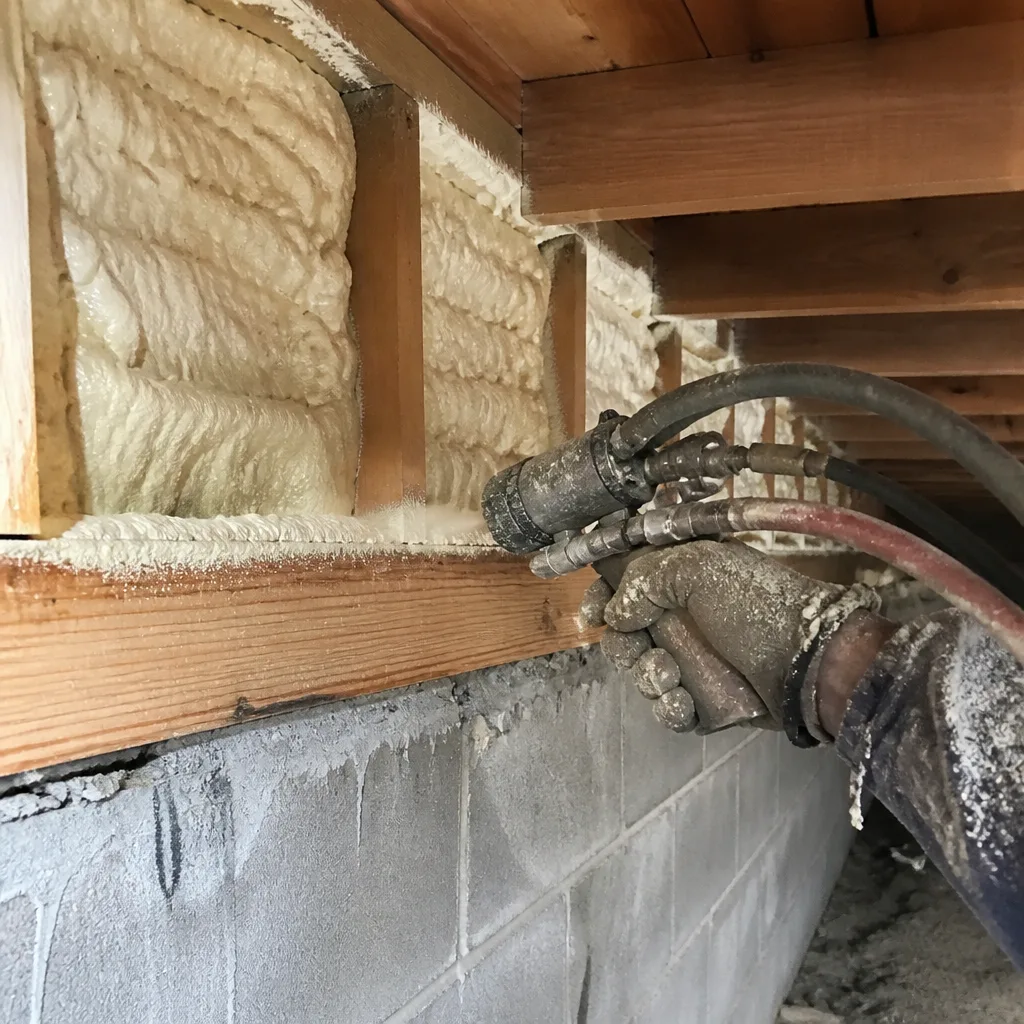
The barrier goes up against the underside of the roof decking, stapled and taped at the seams. In Rolling Hills Estates homes with original shake or tile underlayment, extra care is needed to keep the reflective surface from touching the wood and losing effectiveness through direct contact. We check the deck for moisture damage first because the marine layer often leaves hidden staining that should be addressed before anything new goes up.
Attic Cleaning Services in Rolling Hills Estates
Attic Cleaning Services in Rolling Hills Estates involve removing old loose-fill or batt insulation, vacuuming out dust, droppings, and debris, sanitizing the deck, and preparing the space for fresh insulation or a vapor barrier. It’s the service we recommend most often on the Peninsula, because the daily marine layer cycle deposits fine moisture on attic surfaces that traps dust and turns old fiberglass into a compacted, matted mess. A full attic cleaning in Rolling Hills Estates typically runs $800 to $1,500 depending on attic size, access, and how much material needs to come out.
Why the Marine Layer Makes Attics Dirtier Here
Morning fog rolls over the Peninsula, condenses on attic sheathing, and then the afternoon sun bakes it dry. That daily wet-dry cycle cements dust and pollen onto insulation fibers and framing. Over a decade or two, even a “clean” attic develops a gray, gritty coating that smells and clogs ventilation channels.
What Leaves With the Debris
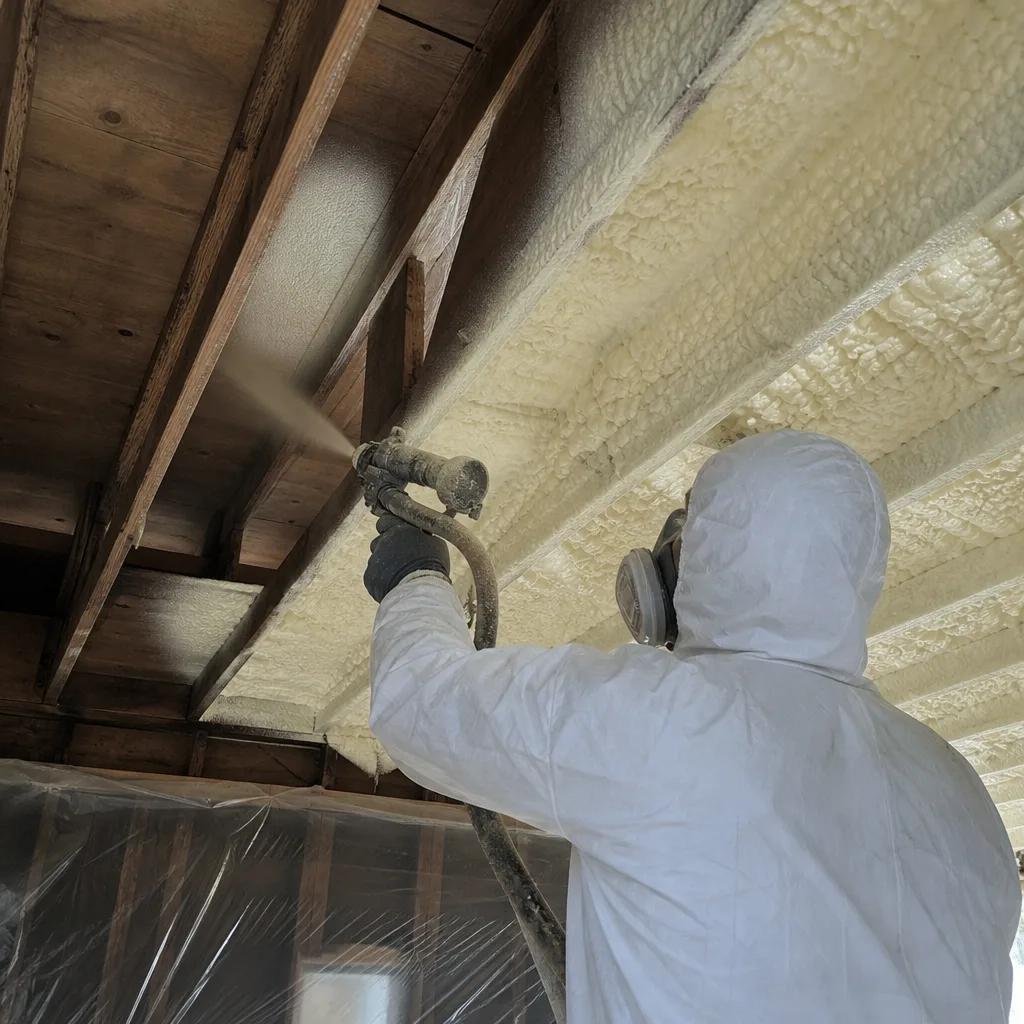
Droppings from roof rats and mice tend to accumulate in Peninsula attics because of the surrounding open space and canyon edges. We remove contaminated insulation, sanitize the area, and prep it so new insulation starts clean. You also get before-and-after photos as part of the Relay Standard, so you see exactly what we pulled out and what the space looked like when we finished.
What happens when you call
- 1
A real person answersNo phone trees - you reach a local pro.
- 2
You get an upfront price rangeHonest numbers before anyone is dispatched.
- 3
A background-checked tech heads outLicensed & insured, dispatched right away.
- 4
You approve before work beginsNothing starts until you say go.
Trusted Brands We Service in Rolling Hills Estates
We stock and install materials from eight manufacturers and match the product to the job, not to whatever happens to be on the truck that morning. For Rolling Hills Estates homes dealing with marine layer moisture, we often reach for Owens Corning PINK FIBERGLAS because it handles mild dampness without losing its loft the way older batts do. Rockwool is a good fit for hillside homeowners who want extra fire resistance in a wildland-adjacent zone, and Johns Manville offers reliable blown-in options when we’re topping up existing coverage. We keep common R-values and widths on hand so turnaround in Rolling Hills Estates is fast, usually same-week once the estimate is approved.
Common Attic Insulation Problems We See in Rolling Hills Estates Homes
- Damp, sagging batts from the daily marine layer cycle. Fog condenses on attic sheathing overnight, drips into fiberglass batts, and after a few years they compress and lose R-value. You’ll see it as uneven, matted insulation that doesn’t reach the top plate.
- Unsealed top plates under original 1960s and 70s batts. Conditioned air leaks straight around the insulation even when the batts look intact. This is the number one reason Peninsula homes with “full” attics still have hot upstairs rooms in August.
- Radiant heat overload on west-facing roof decks. Without a radiant barrier, the afternoon sun turns under-ventilated attics into ovens. Heat then bleeds through the ceiling, making the air conditioner work double while the rest of the house feels fine.
- Compacted loose-fill from years of storage or rodent traffic. Many Rolling Hills Estates attics have been used as storage, and foot traffic packs blown-in fiberglass down to a fraction of its original depth. We find R-38 material performing like R-11 in these cases.
Pricing for Attic Insulation in Rolling Hills Estates, CA
Blown-in attic insulation in Rolling Hills Estates generally costs between $1,100 and $2,200 for a typical 1,200 to 1,800 square foot home, bringing existing coverage up to R-38 or R-49. Attic batt insulation runs a bit higher, usually $1,300 to $2,400 when there’s old material to pull out first. An attic insulation top-up, where the existing insulation is still dry and healthy, starts around $700. Attic baffles and ventilation prep add $250 to $600 depending on how many rafter bays need baffles installed. Attic insulation replacement with full removal and air-sealing typically lands between $1,800 and $3,200. Every quote is written down before work starts, and the price on that paper is the price you pay. Call (361) 315-4177 for a free estimate.
We Also Serve Cities Near Rolling Hills Estates
Our Attic Insulation crews cover the wider Southern California market, so if you’re in Los Angeles, San Diego, San Jose, or San Francisco, the same Relay Visibility Guarantee applies. You can also read more about our coverage in Attic Insulation in Rolling Hills Estates to see what’s specific to the Peninsula. We coordinate scheduling from our Los Angeles office, and the crews serving Rolling Hills Estates work locally.
Serving Rolling Hills Estates, CA - Our Local Coverage Area
We’re based in the Rolling Hills Estates area and know this community well. Use the map below to see our service coverage - if you’re nearby, we can almost certainly help.
FAQs About Attic Insulation in Rolling Hills Estates
It’s not rain. It’s the marine layer. Every morning, fog rolls over the Palos Verdes Peninsula and condenses on the cooler underside of your attic sheathing. As the day warms, that moisture drips into whatever insulation sits below. Over years, this daily cycle soaks fiberglass batts, compresses them, and rots their R-value. We see this in hillside homes all over Rolling Hills Estates, especially on north and east-facing rooflines that hold fog longer. The fix is usually removal of the damp material, air-sealing the attic floor, and installing insulation with better moisture tolerance. Call (361) 315-4177 and we’ll know exactly what to look for.
In most Rolling Hills Estates homes from that era, the batts look fine but aren’t. Original R-11 or R-19 batts sit on top of unsealed top plates in most 1960s and 70s construction here. Air leaks right around them, meaning your insulation looks intact while still costing you every month. The Palos Verdes marine layer also degrades the loft of old fiberglass over decades, even when it appears dry up top. We can do a quick attic inspection and show you photos of what’s actually happening. If replacement makes sense, we’ll give you a written price. If a top-up is all you need, we’ll say so.
We can usually reach most Rolling Hills Estates homes the same day you call, especially for issues like active moisture intrusion or a sudden rodent problem in the attic. For estimates, we’ll schedule at a live, trackable time, not a four-hour window, and you’ll see the technician’s arrival time on your phone. The Peninsula’s road layout, with its gated communities and hillside access, is something our crews know well. Call (361) 315-4177 and tell us what’s going on; we’ll give you a realistic arrival window right then.
You might. Insulation slows conductive heat, but it does almost nothing against radiant heat from the afternoon sun beating directly on your roof deck. On the Peninsula, west-facing exposures get hours of intense radiant load in summer, and that heat bypasses insulation entirely by superheating the attic air and the deck above it. A radiant barrier reflects that heat before it enters the attic. If your upstairs rooms still run hot despite adequate insulation depth, a radiant barrier is usually the missing piece. We also check ventilation, because a barrier without airflow just cooks the attic differently.
We install Owens Corning, Johns Manville, Knauf, and Rockwool, among others, and we match the product to your specific attic. For marine layer moisture on the Peninsula, we lean toward Owens Corning for its loft retention in mildly damp conditions. Rockwool makes sense for hillside homes near canyon edges where fire resistance matters. We stock common R-values for Rolling Hills Estates jobs, so we’re not ordering and waiting when you need the work done. Call (361) 315-4177 and we’ll tell you which material fits your roof, your exposure, and your budget.
Written by Chase Whitaker, Owner at Laurel Attic Insulation, serving Rolling Hills Estates since 2003.