
5 Mistakes to Avoid With Attic Insulation
The most common attic insulation mistake in Los Angeles isn’t skipping insulation. It’s blowing new material directly over old, contaminated insulation because someone said it would “save on labor.” That single decision can void your new material’s warranty, trap rodent allergens in your air supply, and cost more in the long run. Here are the five mistakes we see most often, why they happen, and exactly how to avoid them.
If you’d rather not sort this out yourself, call Laurel Attic Insulation at (361) 314-0118 and we’ll walk you through it.
Mistake 1: Blowing New Insulation Over Contaminated Old Material
This is the big one. We’ve pulled back fiberglass batts in attics across Los Angeles and found layers of rat droppings, urine-stained wood, and nesting material that had been sitting there for years. The homeowner had no idea, because someone convinced them that laying new insulation over the top was “standard practice” and would “seal in” the problem.
Here’s what actually happens: you trap the contamination, but you don’t neutralize it. Rodent droppings can carry hantavirus, and rat urine is a vector for leptospirosis. Both are airborne exposure risks when disturbed. Piling new insulation on top doesn’t remove the hazard. It buries it, and every time air moves through your attic, micro-particles from that old material can circulate toward your living space.
Encapsulation isn’t a safe substitute for removal. Encapsulation means covering or sealing old material with new material. That works for old dust-cloth insulation from the 1960s, but it does not work for rodent-contaminated material. You want that stuff gone, not curtained off.
The fix: if you see droppings, smell urine, or find shredded nesting material, remove the old insulation first. Full removal, vacuum or bagged extraction, then sanitize the deck before installers lay anything new. It costs more upfront, but it’s the only approach that actually solves the air quality problem. We’ve seen this in Echo Park and Highland Park attics where the “shortcut” ended up requiring a full redo within three years.
Mistake 2: Choosing R-Value Without Accounting for LA Climate Zone
R-value is the number that measures how well insulation slows heat from moving through your ceiling. Higher number, more resistance. But “more” isn’t always “better,” and treating it like a universal target is how homeowners overspend or under-insulate.
Los Angeles splits across two climate zones under California’s Title 24 energy code. Most of LA falls in Climate Zone 6, where Title 24 sets R-38 as the minimum for ceiling insulation. That’s the floor, not the ceiling. Get to R-38 and you’ve met the code requirement.
But if you live in coastal areas like Venice, Santa Monica, or Playa del Rey, you’re in Climate Zone 6 too, and the marine layer complicates things. Coastal homes don’t battle the same prolonged heat as the Valley. The bigger enemy is moisture, not temperature. We’ve seen coastal LA homeowners spend 30% more on R-60 insulation when R-38 would have handled it fine, because someone sold them on “more is better” without checking what the house actually needed.
The logic trap: “If R-38 is good, R-60 must be better.” That’s only true if you’re fighting sustained high temperatures. In a coastal marine climate, you’ll see diminishing returns and spend money on material that never pays itself back through energy savings.
The fix: match R-value to your actual climate zone and your actual house. Check the Title 24 map for your address. And don’t let a contractor upsell you past the code minimum without a specific reason for your specific home.
Mistake 3: Insulating Without Air Sealing First
This might be the most expensive invisible mistake on the list. Blowing insulation into an attic without sealing the air leaks first is like putting on a puffy jacket over a t-shirt full of holes. The insulation still covers you, but the cold air finds its way through.
The mechanism is called stack effect. Warm air inside your house rises, and as it pushes up through your ceiling, it pulls replacement air in from below through cracks, gaps, and un-sealed framing. In an un-sealed attic, that air carries heat straight through the top plates, plumbing penetrations, recessed light housings, and chase ways. You lose 30% to 40% of your insulation’s theoretical performance because air movement undercuts what still air can actually insulate.
We walk LA attics all the time and find top plates completely un-sealed. The homeowner paid for R-38 blown-in and got maybe R-25 worth of real-world performance, because treated air kept finding gaps to slip through.
The fix: air seal first. Seal the top plates, seal around wire penetrations, seal around plumbing stacks, and use gasketed boxes or covers for recessed lights. Then blow in the insulation. It’s an extra half day of work that dramatically changes what your R-value actually delivers.
When to call a pro: air sealing requires knowing which gaps matter and which materials handle your attic’s temperature swings. If you’re not sure, get a professional to assess it. Our teams map every ceiling penetration before we ever load the blower.
Mistake 4: Accepting a Verbal Quote
Here’s a scenario we hear constantly: homeowner gets told “it’ll be around $2,100, maybe a little less, we’ll see once we start.” The installer shows up, “discovers” extra work, and suddenly that $2,100 becomes $3,400. No written record. No way to compare. No leverage.
Verbal quotes are where insulation contractors in Los Angeles hide vagueness. They bite you in two ways. First, the final price inflates once materials hit the attic. Second, you have no documentation of what was actually promised, so you can’t compare it against another bid.
A legitimate written quote should specify, at minimum: the material brand (like Owens Corning, Johns Manville, or Knauf), the R-value per inch planned, the total square footage to be covered, and any existing insulation removal included in scope. If removal isn’t listed, assume it’s not included and will be added later.
We pulled one garage attic job over in Sherman Oaks last year where the homeowner had three quotes. Two were verbal, one was written. The written one looked $300 higher on the surface, but it included removal and air sealing that the verbal quotes would have billed separately. The “more expensive” quote was actually $1,100 cheaper in total.
The fix: require a written price before any work starts. If a contractor won’t put it in writing, walk away. Laurel Attic Insulation gives you a written price before work begins, no exceptions, no door-step surprises. It’s part of the Relay Visibility Guarantee.
Mistake 5: Ignoring Attic Ventilation Before Insulating
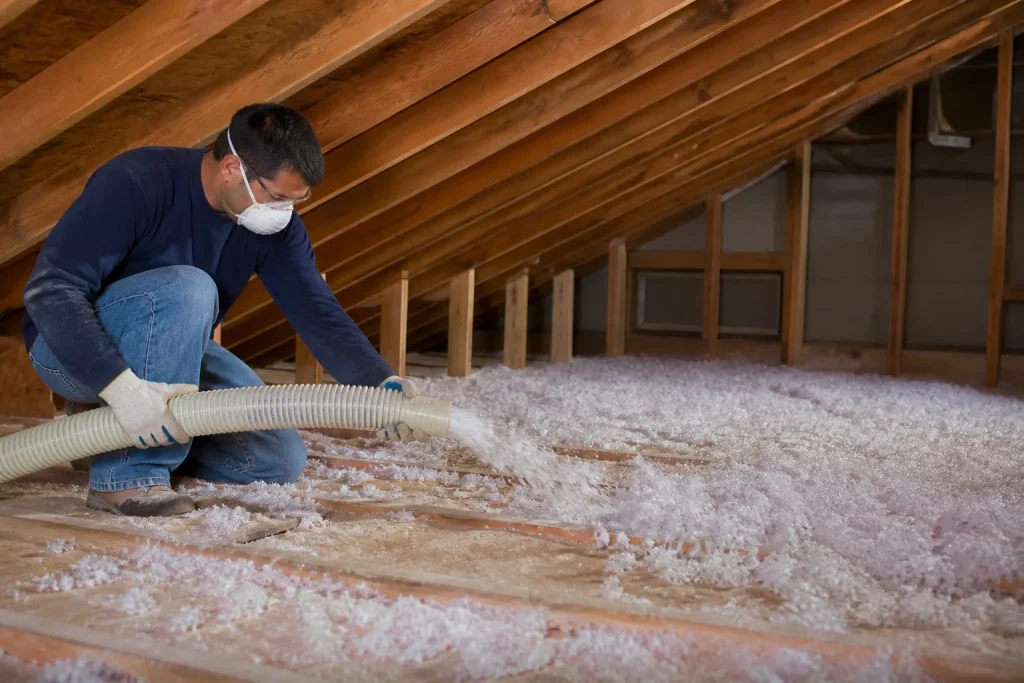
New insulation and blocked ventilation are a wreck waiting to happen in Los Angeles. Attics need airflow. Soffit vents, ridge vents, or gable vents keep moisture from building up on the underside of your roof deck. When you blow insulation improperly, it can cover the soffit vents and choke off that airflow.
Why does that matter in LA specifically? The marine layer. Coastal Los Angeles gets cool, damp air rolling in off the Pacific regularly. That moisture migrates upward through your house. Without attic airflow, it condenses on the underside of the roof deck. Condensation leads to mold. Mold leads to roof decking rot. And now you have a $10,000 roof repair sitting on top of your $1,800 insulation job.
We’ve seen this exact sequence play out in Palms and West LA. Homeowner adds insulation to fix their utility bill, and eighteen months later a roofer finds rotted decking because soffit vents got buried.
The fix: install baffles before you blow. Baffles are lightweight chutes that clip into the rafter bays and hold insulation back from the soffit vent, creating a clear air channel from the eave into the attic. They cost a few dollars each. They’re non-negotiable in a properly insulated LA attic.
Key Takeaways
– Remove contaminated old insulation, don’t cover it. Encapsulation doesn’t solve rodent contamination.
– Match R-value to your Title 24 climate zone. In LA, R-38 is the standard minimum for most homes. Coastal homes rarely need more.
– Air seal before you insulate. Un-sealed top plates waste 30% to 40% of your insulation’s performance through stack effect.
– Never accept a verbal quote. Get the material brand, R-value per inch, square footage, and removal scope in writing.
– Preserve soffit ventilation when installing, wherever you live. In LA’s marine layer, blocked vents mean moisture, mold, and decking rot.
The Bottom Line
Every one of these five mistakes sounds reasonable when a contractor explains it quickly. That’s the trap. Adding insulation on top saves labor, “more R-value” sounds thorough, skipping air sealing saves a day of work, verbal quotes sound convenient, and blocking a vent feels invisible. But each shortcut has a specific, expensive exit. The good news: all five are avoidable if you know what to ask for before the blower starts.
If you’re in Los Angeles and want this sorted right, Laurel Attic Insulation offers free estimates. Call (361) 314-0118 to get a written price before anything starts. We install with materials from Owens Corning, Rockwool, CertainTeed, and other trusted brands, and every job includes our Done Right Promise: if it’s not right, we make it right.
Related services in Los Angeles: Attic Insulation in Los Angeles, Spray Foam Insulation in Los Angeles, and Insulation Removal in Los Angeles. You can also learn more on our Laurel Attic Insulation home page.
Frequently Asked Questions
Is it cheaper to add new insulation over old insulation?
Yes, in the short term it’s cheaper, which is exactly why contractors suggest it. You skip the removal labor. But if the old material has rodent contamination or compaction issues, you’ll pay more later. Contaminated old insulation traps allergens and spreads airborne particles into your living space, and your new material’s warranty can be voided if it’s installed over unsuitable existing conditions. In most LA attics with contamination or aged, compressed material, removal first is the better financial decision over any 5- to 10-year window.
How do I know if my attic needs air sealing before insulation?
Look for dust streaks or dark staining on your existing insulation, particularly near ceiling penetrations. That’s visible evidence of air moving through. You can also check around recessed lights, attic access hatches, and plumbing vents for gaps you can feel with your hand on a cool day. If your utility bills spike in summer even with adequate insulation depth, air leaks are the likely culprit. In our experience in Los Angeles, most attics built before 2005 have never been properly air sealed.
What should a written attic insulation quote include?
At minimum, it should name the material brand and R-value per inch, the square footage to be covered, the total depth and final R-value of the installation, whether existing insulation removal is included or excluded, what the air sealing scope covers, and the warranty terms. If a quote says “insulation upgrade” without specifics, treat it as incomplete. A written quote you can compare line-by-line against another bid is the single best tool you have to avoid the verbal-quote trap.
Can I add insulation myself to save money?
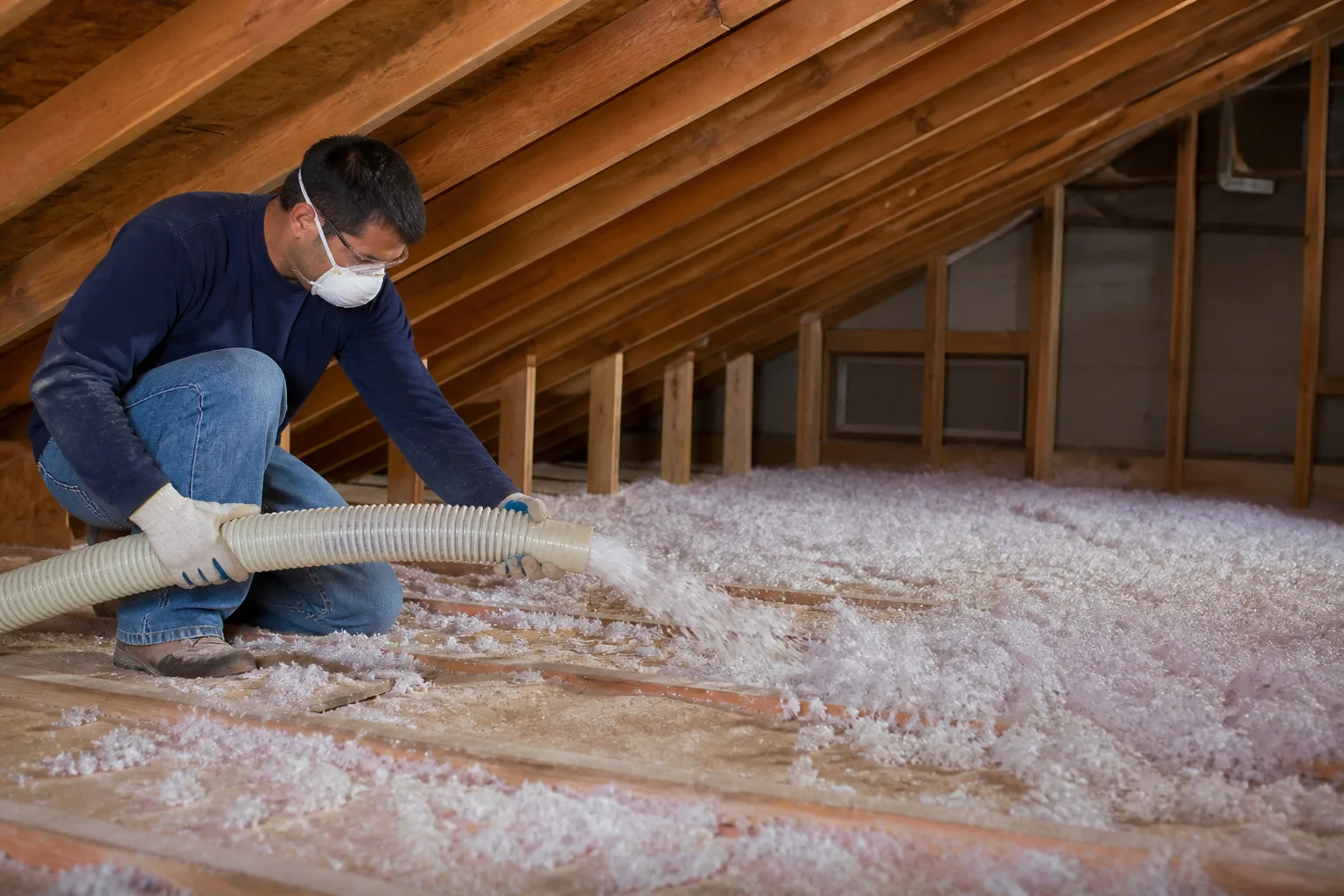
Installing fiberglass batts in an open attic is a DIY-friendly project if you have the safe access, proper PPE, and patience for detail work around wiring and vent baffles. Blown-in insulation is trickier: you need the blower machine, you need to keep the depth consistent, and you need to know where not to blow. The bigger issue is what DIY skips: air sealing, contamination removal, and ventilation baffles. Those three steps determine whether your new insulation actually performs. If you’re not planning to do them, you’re buying R-value that your attic won’t deliver.
How much does attic insulation cost in Los Angeles?
Most attic insulation jobs in Los Angeles run $900 to $2,400 depending on square footage, R-value needed, and whether existing removal or air sealing is included. Smaller attics with simple access land around $900. Larger attics with removal and air sealing can push past $3,000. Every legitimate quote should spell out what’s included. Call (361) 314-0118 for an exact quote for your attic size and condition, estimates are free.
Written by the team at Laurel Attic Insulation.
Need Insulation Help?
Call Laurel Attic Insulation - licensed & insured, here with fast after-hours help in Los Angeles.
(361) 314-0118