
Emergency Attic Insulation Near Me: What Los Angeles Homeowners Should Do First
A roof leak can cut your attic’s R-value in half within 24 hours of water hitting fiberglass batts. Your first move isn’t to panic, and it’s not to call a roofer. It’s to identify what kind of insulation emergency you’re actually dealing with. If you’d rather not sort this out solo, call (361) 314-0118 and we’ll walk you through it.
Step One: Figure Out Which Emergency You Actually Have
Emergency attic insulation problems in Los Angeles fall into three buckets, and each one needs a different first call. Guessing wrong means you waste a day or two, and that delay turns a $900 fix into a $2,400 replacement.
Moisture-driven emergencies are the most common. You’ll see water stains on the ceiling, damp insulation, or a musty smell upstairs. In LA, this usually comes from a roof leak after winter rain, a failed attic vent, or an HVAC condensate line that backed up. The insulation itself isn’t the root cause, but if you don’t pull the wet material fast, it compresses and starts growing mold. Wet fiberglass loses most of its R-value immediately, and it won’t come back when it dries.
Pest-driven emergencies are the ones people miss until it’s bad. Rodents in Los Angeles attics tunnel through blown-in insulation, leave urine and droppings, and shred batts for nesting. What starts as a small entry point under an eave becomes a full contamination problem faster than most homeowners expect. You need the insulation out, the entry point sealed, and new material in, in that exact order. Skip the sealing step and you’ll be back in the same spot next season.
Fire or smoke-driven emergencies happen after an electrical event, a dryer vent fire, or wildfire smoke intrusion. Smoke particles embed into insulation fibers and off-gas for months. If your attic smells like a campfire weeks after the event, the insulation is holding those compounds and needs to come out.
Why Calling a General Contractor First Usually Delays the Fix
Here’s the pattern we see over and over across Los Angeles. A homeowner finds a wet spot on the ceiling, calls a general contractor, and waits two days for someone to come look. The GC says they need to bring in a roofer. The roofer patches the leak. Then the GC says they’ll have someone quote insulation in a week. That’s ten days of wet insulation sitting in a warm LA attic, and by now the mold has set in.
The other problem is warranty. Most insulation manufacturers, including Owens Corning and Johns Manville, have written installation requirements. If a generalist patches in new batts next to old water-damaged material, or installs material at the wrong depth, the manufacturer warranty is void before the job is done. You never find out until the next problem shows up.
A specialist goes straight to the attic, identifies what type of insulation needs to be removed, and starts the remediation. So for anything beyond a tiny visible patch, your first call should be to an insulation company, not a GC.
What to Document in the First Hour (Before You Call Anyone)
Insurance adjusters in Los Angeles respond to specificity, and so do good contractors. What you capture in the first hour after discovering an attic insulation problem determines how smoothly your claim goes.
- Photos from multiple angles. Get wide shots of the affected area, close-ups of the insulation, and any visible roof decking or drywall damage. Use your phone’s flash. Dark attic photos are useless.
- Moisture readings if you have them. A $35 pinless moisture meter from a hardware store gives you hard numbers. Anything above 20% in wood framing or 15% in insulation is a problem. Write down the readings next to the photos.
- HVAC behavior. Has the AC been running longer than usual to hit the same temperature? Is there a new smell when the system kicks on? These are symptom records that help diagnose the scope.
- Visible water entry points. Photograph exterior roof areas, flashing around vents, and any cracked caulk or lifted shingles. If you have a two-story Los Angeles home with a valley roof, photograph that valley from the ground.
This documentation does two things. It protects you when the insurance adjuster asks when the damage happened, and it saves you from paying a contractor to spend an hour recreating what you already captured.
LA-Specific Hazards: Rodents, Heat, and What They Do to Insulation
Los Angeles has a rat and mouse population that treats attics like rent-free housing. The crawl space and attic are the two most common entry points. Once rodents settle into blown-in insulation, the contamination spreads quickly. Rodent urine contains proteins that become airborne as the insulation dries, and that’s what you’re breathing when you notice a sharp ammonia smell near your ceiling vents.
The heat makes it worse. LA attics regularly hit 140°F in summer, which bakes the contaminated material and accelerates particle breakdown. What started as a localized issue spreads through the air handler and into the living space. This is why we recommend full Insulation Removal in Los Angeles for any rodent-contaminated attic, not spot patching.
We pulled a job in Eagle Rock last year where a homeowner had been “managing” a rat problem with traps for eight months. By the time we got in, the entire attic was contaminated and the baffles around the soffit vents had been chewed apart. The fix wasn’t cheap, but the air quality difference after removal was night and day.
What Emergency Insulation Work Should Cost in Los Angeles
We believe in telling you the price before we set foot in your attic, and we’ll do the same here. These are the ranges we see for emergency insulation work across Los Angeles, from the Valley to the Westside to the Eastside.
| Scope of Work | Typical LA Price Range | Timeframe |
|---|---|---|
| Localized wet insulation removal and replacement | $900 – $1,800 | Same day or next day |
| Full attic removal due to rodent contamination | $2,500 – $4,500 | 1 – 2 days |
| Spray foam insulation for a full attic | $3,500 – $7,000 | 1 – 2 days |
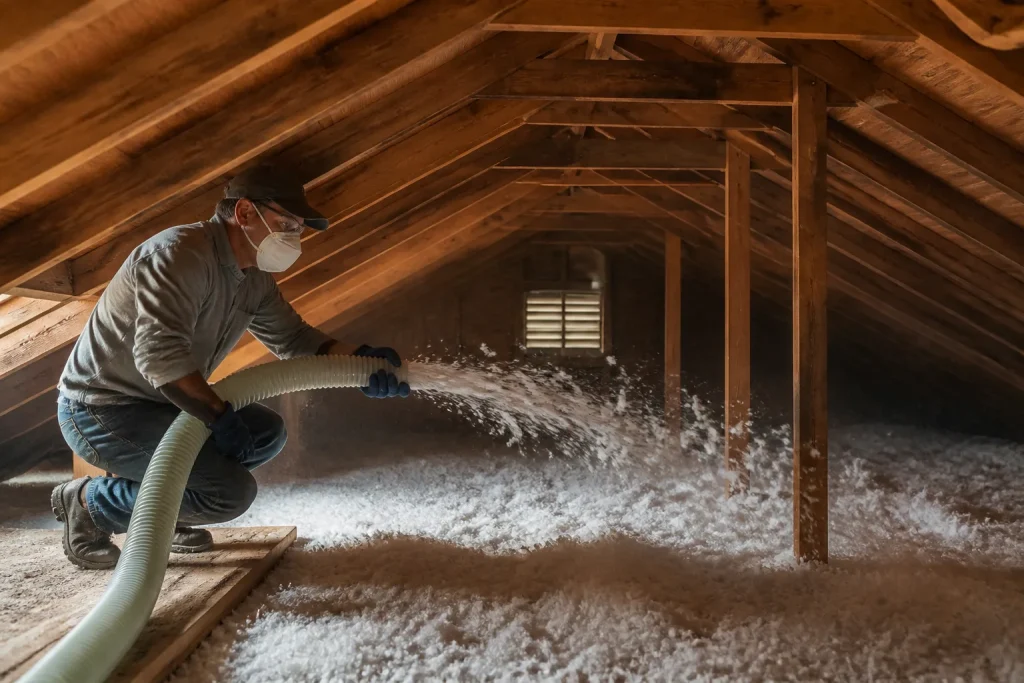
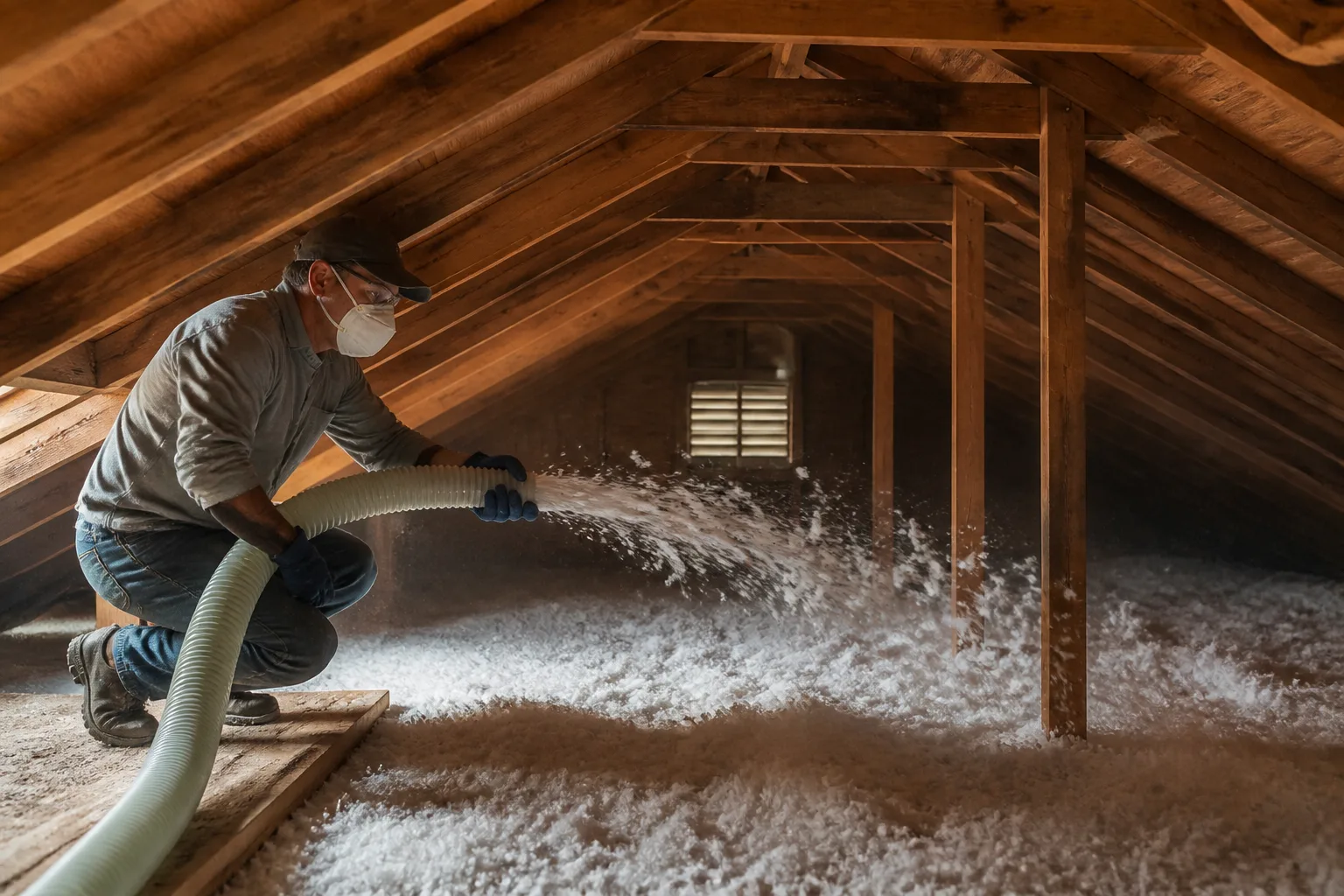
| Blown-in insulation for a standard 1,200 sq ft attic | $1,900 – $3,200 | Half day to full day |
Emergency pricing in LA is notoriously unkind to homeowners. When you call a contractor at 9pm in a panic, some shops quote 30-40% above their standard rate because they know urgency limits comparison shopping. Our approach is different. We give you a written price before any work starts, regardless of when you call. No 24-hour emergency surcharge, no door-step adjustments. You see the number, you approve the number, we do the work.
How to Choose Emergency Insulation Help in Los Angeles (Without Getting Burned)
When you’re in a time crunch, the instinct is to call the first name that appears when you search “emergency attic insulation near me.” That’s fine, but run them through a quick filter before you commit. A bad removal job can leave your attic worse than it started, and you’ll pay twice.
First, ask if they’ll give you a written price before they arrive. No legitimate insulation specialist in LA should have a problem with this. If they say “we’ll price it when we see it,” hang up and call the next option.
Second, ask what materials they’re quoting. Specific brand names matter. Demilec spray foam and GreenFiber blown-in cellulose are two materials we regularly recommend in Los Angeles attics because they hold up in our heat profile. If the answer is “we use whatever’s on hand,” that’s a red flag. Material selection should match the attic, not the inventory.
Third, ask about the warranty specifics. When we started Laurel in 2003, we were honestly surprised by how many contractors couldn’t describe their own warranty in one sentence. Ours is simple: a Done Right Promise, in writing, on every job. If it’s not right, we make it right, and you don’t pay twice.
How Heat Affects LA Attic Insulation Choices
Los Angeles attics demand more from insulation than most climates. The same R-value that works in a mild coastal house might not be enough for a house in Woodland Hills. In general, the Department of Energy recommends R-30 to R-60 for attics in our climate zone, with most LA homes falling in the R-38 to R-49 range. We’ll calculate the right target based on your attic’s square footage and existing material.
When to Call a Pro
If you’ve found wet, moldy, or rodent-contaminated insulation, and especially if you have asthma or allergy sufferers in the house, it’s time to call. Don’t try to bag up contaminated insulation yourself. Fiberglass and rodent droppings both require proper PPE, and the last thing you want is to drag contaminated material through your living room and into the garage. This is where a team that shows up with the right containment setup is worth every dollar.
We offer free estimates for all Attic Insulation in Los Angeles, including emergency removal and Spray Foam Insulation in Los Angeles. You’ll get the price before we start, and we’ll document everything with photos so you can see exactly what was done.
The Bottom Line
Your insulation emergency in Los Angeles has a first step, and it’s not “call someone, anyone.” Identify what you’re dealing with: moisture, pests, or smoke. Document it with photos and moisture readings if you can. Then call an insulation specialist who will give you a written price before work starts, and skip the general contractor runaround entirely.
The reason Laurel exists is right there in the name. Laurel stays green all year, and that’s the idea: your home’s comfort shouldn’t wilt in August or leak warmth in January. If you’re in Los Angeles and dealing with an insulation emergency, call (361) 314-0118. A real person answers, 24/7, and you’ll get a free estimate with no markup games.
Frequently Asked Questions
Yes, in most cases. If we can access the attic and the scope is straightforward, we can usually start same day or next morning. Call (361) 314-0118 and we’ll tell you exactly when we can be there.
It depends on the damage type and coverage area. Localized water-wicking or a small pest area can sometimes be spot-repaired for $900 – $1,800. But if contamination has spread or the material is compressed and moldy, full removal is usually the better long-term call. We’ll give you both options with prices so you can decide.
For a standard 1,200 to 1,500 square foot attic, full removal of contaminated insulation typically takes one to two working days, including setup and containment. We’ll give you a clear timeframe in writing before we start.
Often yes, if the damage is from a covered peril like a roof leak or fire. What matters is documentation: photos, moisture readings, and a clear timeline. If you’re working with insurance, we can help provide the documentation your adjuster will ask for.
Related: Laurel Attic Insulation home covers all our services across the Los Angeles area.
Written by the team at Laurel Attic Insulation.
Need Insulation Help?
Call Laurel Attic Insulation - licensed & insured, here with fast after-hours help in Los Angeles.
(361) 314-0118